In researching family genealogies I've discovered the valuable uses of censuses. But in the 19th century there were very new. The first census in the U.S. was in 1790.
2nd 1800 It counted Men under 10, M10 & Under 16, M 16 & under 26, M 26 & Under 45, M 45 & up as well as the same for Females. It also listed the Names of Heads of families
3rd 1810
4th 1820
5th 1830
6th 1840
7th 1850 This census marked a change they attempted to count every member of the household including women, children & slaves.
8th 1860 This census counted American Indians
9th 1870
10th 1880 This census allowed women to be enumerators.
11th 1890 Announced that the frontier region of the U.S. no longer existed. So, it was no longer needed to track westward migration. This census was also notable for the use of the tabulating machine, reducing the time to tabulate the census from 7 years to 2.5.
Showing posts with label 1820. Show all posts
Showing posts with label 1820. Show all posts
Wednesday, August 24, 2016


Monday, August 15, 2016
Statehood of States in the United States
When the 19th century began there were 16 states to the union by the end of the century there were 45.
In the columns below you'll see the number in which the state joined the union, the state and then the date.
17 Ohio Mar. 1, 1803
18 Louisiana Apr. 30, 1812
19 Indiana Dec. 11, 1816
20 Mississippi Dec. 10, 1817
21 Illinois Dec. 3, 1818
22 Alabama Dec. 14, 1819
23 Maine Mar. 15, 1820
24 Missouri Aug. 10, 1821
25 Arkansas Jun 15, 1836
26 Michigan Jan. 26, 1837
27 Florida Mar. 3, 1845
28 Texas Dec. 29, 1845
29 Iowa Dec. 28, 1846
30 Wisconsin May 29, 1848
31 California Sep. 9, 1850
32 Minnesota May 11, 1858
33 Oregon Feb. 14, 1859
34 Kansas Jan. 29, 1861
35 West Virginia Jun. 20, 1863
36 Nevada Oct. 31, 1864
37 Nebraska Mar. 1. 1867
38 Colorado Aug. 1, 1876
39 North Dakota Nov. 2, 1889
40 South Dakota Nov. 2, 1889
41 Montana Nov. 8, 1889
42 Washington Nov. 11, 1889
43 Idaho Jul. 3, 1890
44 Wyoming Jul. 10, 1890
45 Utah Jan. 4, 1896
In the columns below you'll see the number in which the state joined the union, the state and then the date.
17 Ohio Mar. 1, 1803
18 Louisiana Apr. 30, 1812
19 Indiana Dec. 11, 1816
20 Mississippi Dec. 10, 1817
21 Illinois Dec. 3, 1818
22 Alabama Dec. 14, 1819
23 Maine Mar. 15, 1820
24 Missouri Aug. 10, 1821
25 Arkansas Jun 15, 1836
26 Michigan Jan. 26, 1837
27 Florida Mar. 3, 1845
28 Texas Dec. 29, 1845
29 Iowa Dec. 28, 1846
30 Wisconsin May 29, 1848
31 California Sep. 9, 1850
32 Minnesota May 11, 1858
33 Oregon Feb. 14, 1859
34 Kansas Jan. 29, 1861
35 West Virginia Jun. 20, 1863
36 Nevada Oct. 31, 1864
37 Nebraska Mar. 1. 1867
38 Colorado Aug. 1, 1876
39 North Dakota Nov. 2, 1889
40 South Dakota Nov. 2, 1889
41 Montana Nov. 8, 1889
42 Washington Nov. 11, 1889
43 Idaho Jul. 3, 1890
44 Wyoming Jul. 10, 1890
45 Utah Jan. 4, 1896
Saturday, August 13, 2016
The Artemus Wheeler
The first revolver was patented and sold to the military in 1820, the Artemus Wheeler.
Here's a link to a webpage with pictures of this revolver as well as the basic information about it. Link
It's a neat gun and as far as I could tell the first "real" revolver to be used during the 19th century. Other guns were developed during the 19th century and admittedly this one wasn't all that common. Since it was used by the military, my character had to have some background or connection with the Navy. Be realistic with the weapons you choose. I found this to be a terrifying weapon to look down the barrel of, so I used it.
Here's a link to a webpage with pictures of this revolver as well as the basic information about it. Link
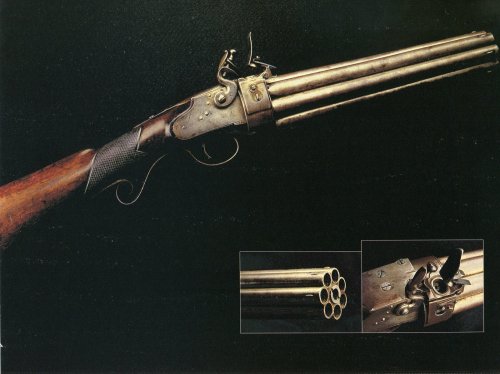
It's a neat gun and as far as I could tell the first "real" revolver to be used during the 19th century. Other guns were developed during the 19th century and admittedly this one wasn't all that common. Since it was used by the military, my character had to have some background or connection with the Navy. Be realistic with the weapons you choose. I found this to be a terrifying weapon to look down the barrel of, so I used it.
Thursday, April 2, 2015
Whale Oil
I grew up on Martha's Vineyard which was a huge whaling port during the 19th Century and Whale oil was what drove them to the open seas. Below are some tidbits about whale oil that some of you may not have known. The primary use of the whale oil was for lamps but it had other uses as well.
Whale-oil prepared by the method just described, is of a pale honey-yellow colour; but sometimes, when the blubber from which it is procured happens to be of the red kind, the oil appears of a reddish-brown colour. When first extracted, it is commonly thick, but after standing some time, a mucilaginous substance subsides, and it becomes tolerably limpid and transparent. Its smell is somewhat offensive, especially when it is long kept. It consists of oil, properly so called, a small portion of spermaceti, and a little gelatin. At the temperature of 40°, the latter substances become partially concrete, and make the oil obscure, and at the temperature of 82°, render it thick with flaky crystals. It is sold by the ton of 252 gallons, wine-measure. A gallon of oil, by measure, weighs 7 lb. 10 oz.
Source: The Whale Fishery ©1820
Using Whale Oil Soap to help protect fruit trees:
The manner in which Capt. Randall uses the whale oil soap, and which we consider the most important part of his communication, is as follows:—eight to ten pounds of whale oil soap are put into a common pail, to which a sufficient quantity of warm water is added, so that when well mixed together, the whole is about the consistence of good'thick paint. With this pail of soap, thinned in this manner, the man having a small tin pail, or bag, or pocket, filled with fine sand, tied round bis waist, with a coarse crash cloth, and a paint brush, is ready for operations. He first wets his cloth with soap, then scatters on some dry sand, and gives the trunk and branches a good rubbing; nfter which, with a hand brush, he puts on a coat of the soap, prepared as above, equal to a thick coat of paint. The time selected for the operation is just at the termination of a storm of rain, when the moss, or any roughness on the bark, will yield more readily to rubbing.
Source: Magazine of Horticulture ©1842
Increasing Consumption of'Whale-oil.—It appears worthy of remark, that notwithstanding the large consumption of coal fur gas, which has in a great degree superseded the use of oil for street-lighting, the aggregate consumption of whale-oil has very materially increased. This fact is of course referable to the fashion now become very general of burning table-lamps in the *ace of candles in our dwellings; but it must excite surprise in the mind of every one when first made acquainted with the fact, that during this time the use of candles in dwellings, and especially of wax-candles, has also increased in a greater proportion than the population. It has been suggested, and with much apparent reason, that this increase may be consequent upon the greater brilliancy of the streets since they have been lighted with gas, since we have thus been made dissatisfied with the quantum of light previously thought sufficient within our houses. Certain it is, that our apartmcnU are much more brilliantly lighted now than they were before the introduction of coal-gas, whether that invention be chargeable with the increase or not.—Porter's Progress of the Nation,
Source: The Penny Magazine ©1843
Whale-oil prepared by the method just described, is of a pale honey-yellow colour; but sometimes, when the blubber from which it is procured happens to be of the red kind, the oil appears of a reddish-brown colour. When first extracted, it is commonly thick, but after standing some time, a mucilaginous substance subsides, and it becomes tolerably limpid and transparent. Its smell is somewhat offensive, especially when it is long kept. It consists of oil, properly so called, a small portion of spermaceti, and a little gelatin. At the temperature of 40°, the latter substances become partially concrete, and make the oil obscure, and at the temperature of 82°, render it thick with flaky crystals. It is sold by the ton of 252 gallons, wine-measure. A gallon of oil, by measure, weighs 7 lb. 10 oz.
Source: The Whale Fishery ©1820
Using Whale Oil Soap to help protect fruit trees:
The manner in which Capt. Randall uses the whale oil soap, and which we consider the most important part of his communication, is as follows:—eight to ten pounds of whale oil soap are put into a common pail, to which a sufficient quantity of warm water is added, so that when well mixed together, the whole is about the consistence of good'thick paint. With this pail of soap, thinned in this manner, the man having a small tin pail, or bag, or pocket, filled with fine sand, tied round bis waist, with a coarse crash cloth, and a paint brush, is ready for operations. He first wets his cloth with soap, then scatters on some dry sand, and gives the trunk and branches a good rubbing; nfter which, with a hand brush, he puts on a coat of the soap, prepared as above, equal to a thick coat of paint. The time selected for the operation is just at the termination of a storm of rain, when the moss, or any roughness on the bark, will yield more readily to rubbing.
Source: Magazine of Horticulture ©1842
Increasing Consumption of'Whale-oil.—It appears worthy of remark, that notwithstanding the large consumption of coal fur gas, which has in a great degree superseded the use of oil for street-lighting, the aggregate consumption of whale-oil has very materially increased. This fact is of course referable to the fashion now become very general of burning table-lamps in the *ace of candles in our dwellings; but it must excite surprise in the mind of every one when first made acquainted with the fact, that during this time the use of candles in dwellings, and especially of wax-candles, has also increased in a greater proportion than the population. It has been suggested, and with much apparent reason, that this increase may be consequent upon the greater brilliancy of the streets since they have been lighted with gas, since we have thus been made dissatisfied with the quantum of light previously thought sufficient within our houses. Certain it is, that our apartmcnU are much more brilliantly lighted now than they were before the introduction of coal-gas, whether that invention be chargeable with the increase or not.—Porter's Progress of the Nation,
Source: The Penny Magazine ©1843
Subscribe to:
Posts (Atom)